What Is Minecraft – and Why Do So Many Kids Love It?

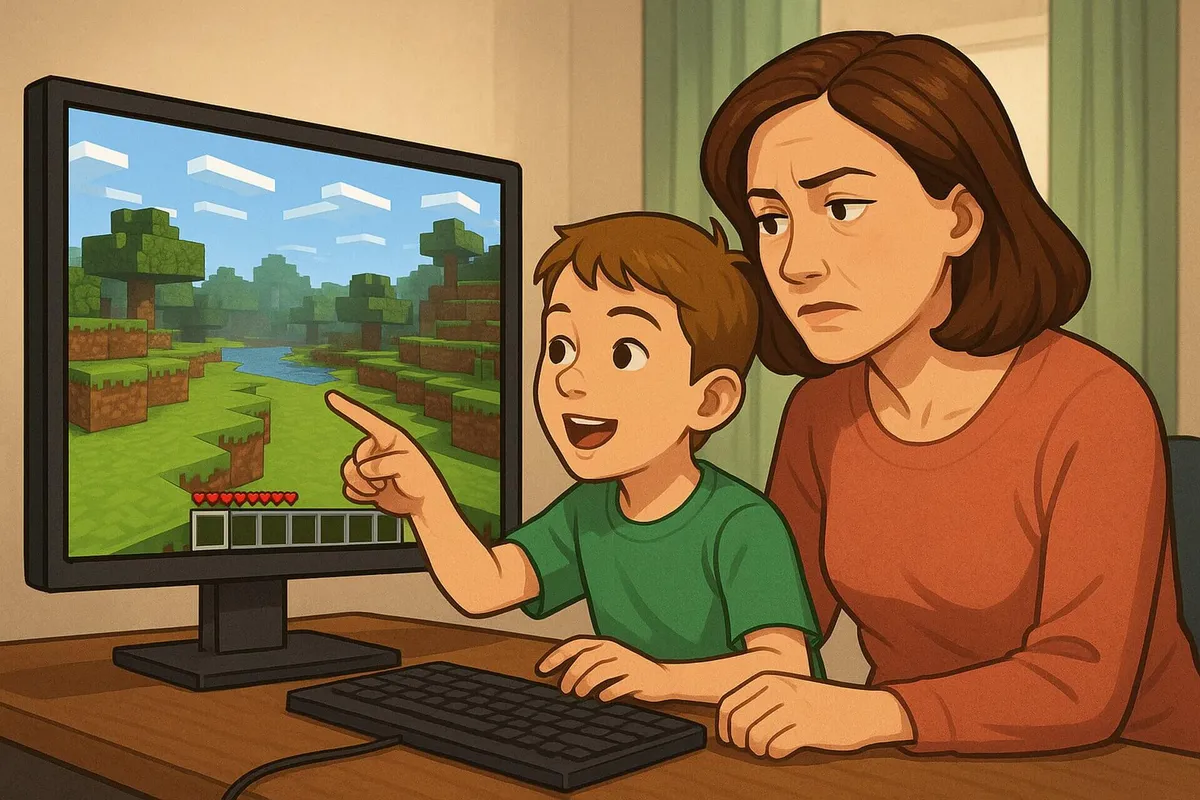
When kids talk about Minecraft, it often sounds to parents like a strange world of little blocks, monsters and endless hours in front of a screen. But behind the blocky look there is much more than a “shooter” or mindless clicking: Minecraft is a creative, open world in which kids can learn, build and go on adventures together – a bit like building with LEGO, just digital.
Minecraft: A World Full of Creativity and Possibilities
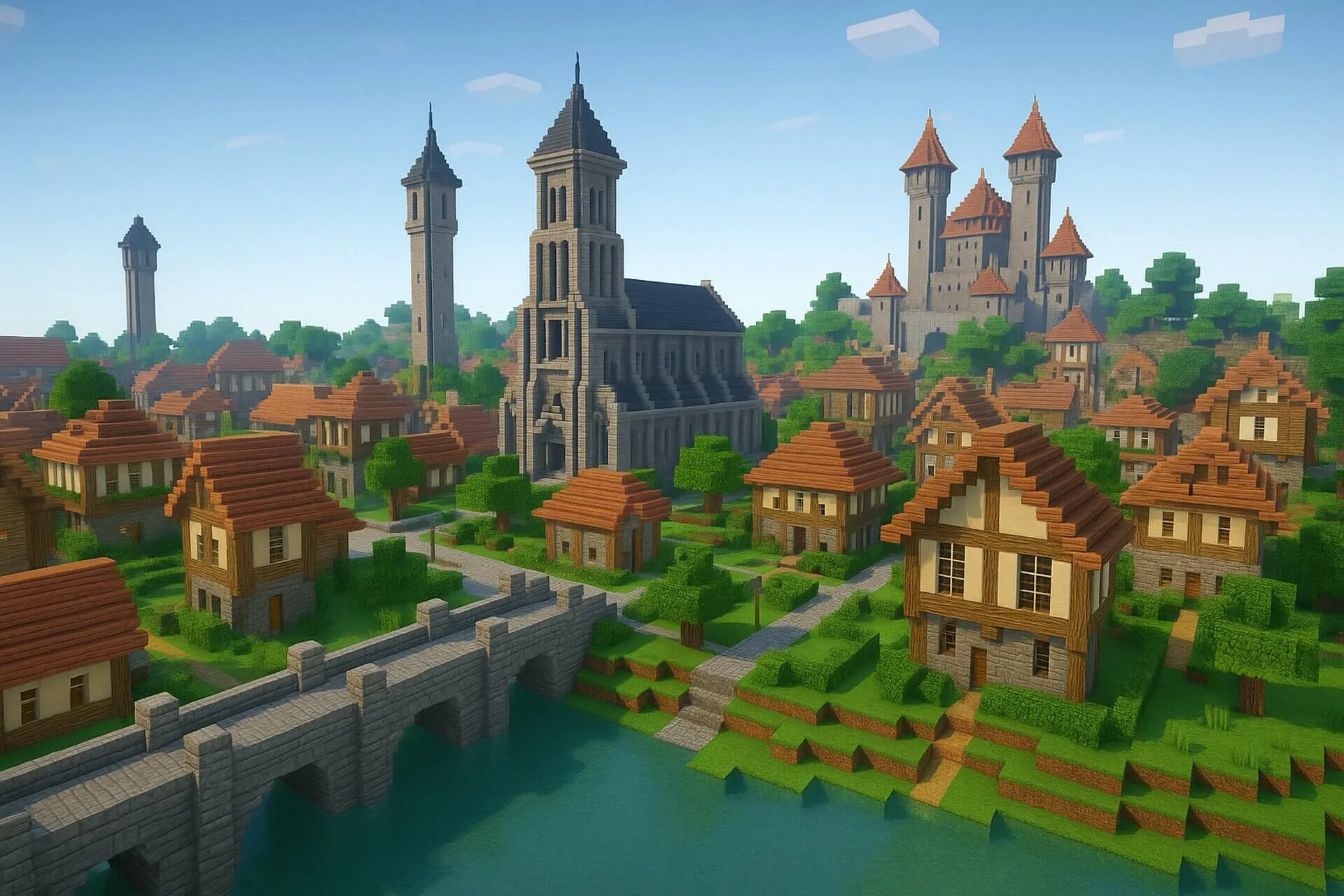
A creative Minecraft world – built by kids and teens like yours
In Minecraft there is no fixed goal and no set story. Instead, kids can mine blocks, combine materials and use them to build anything they can imagine: from a treehouse to a castle to working machines. This freedom encourages creative thinking, spatial awareness and even logical problem-solving.
Along the way, many kids learn how to use resources efficiently, plan small projects or coordinate with others to create large structures together.
In what is called Survival mode, adventure comes into play – here players have to gather resources, protect themselves from monsters at night and learn to assess risks. In Creative mode, on the other hand, everything is peaceful and unlimited: no time pressure, no enemies, just imagination.
Community, Learning and Digital Self-Efficacy
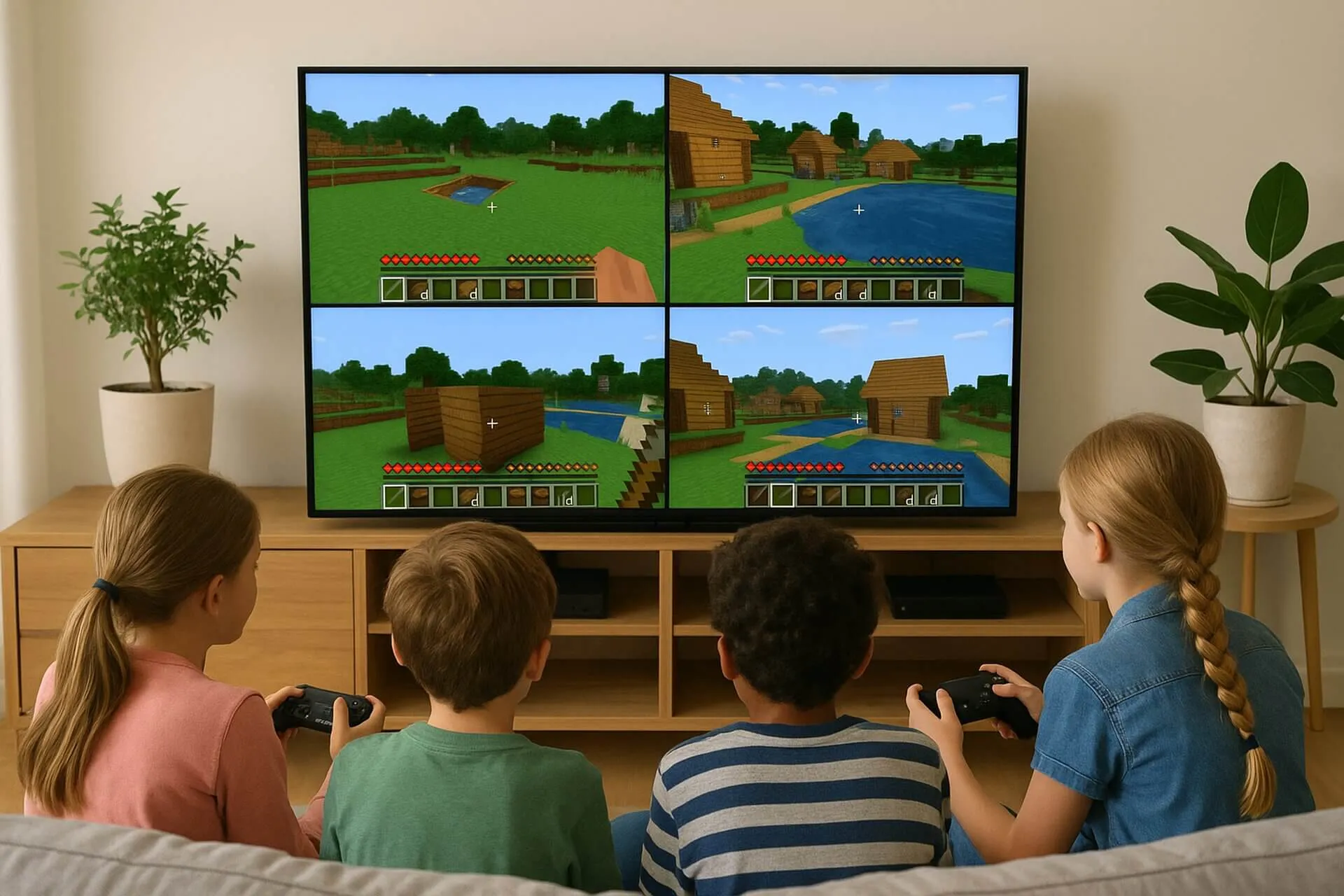
On many consoles, Minecraft can also be played cooperatively with up to 4 players in front of the TV. On PC, you can play online with an almost unlimited number of players.
Minecraft has long been more than just a game – it is a platform for learning and spending time together. Kids play together on servers, swap ideas, help each other out and learn to carry out projects as a team.
Many schools now even use Minecraft in class to bring subjects like architecture, biology or history to life.
What is especially valuable is that kids experience first-hand that their actions have an effect: when they create something, the world visibly changes. This feeling of self-efficacy – “I can make a difference” – is hugely important for personal development.
Where Parents Should Stay Alert
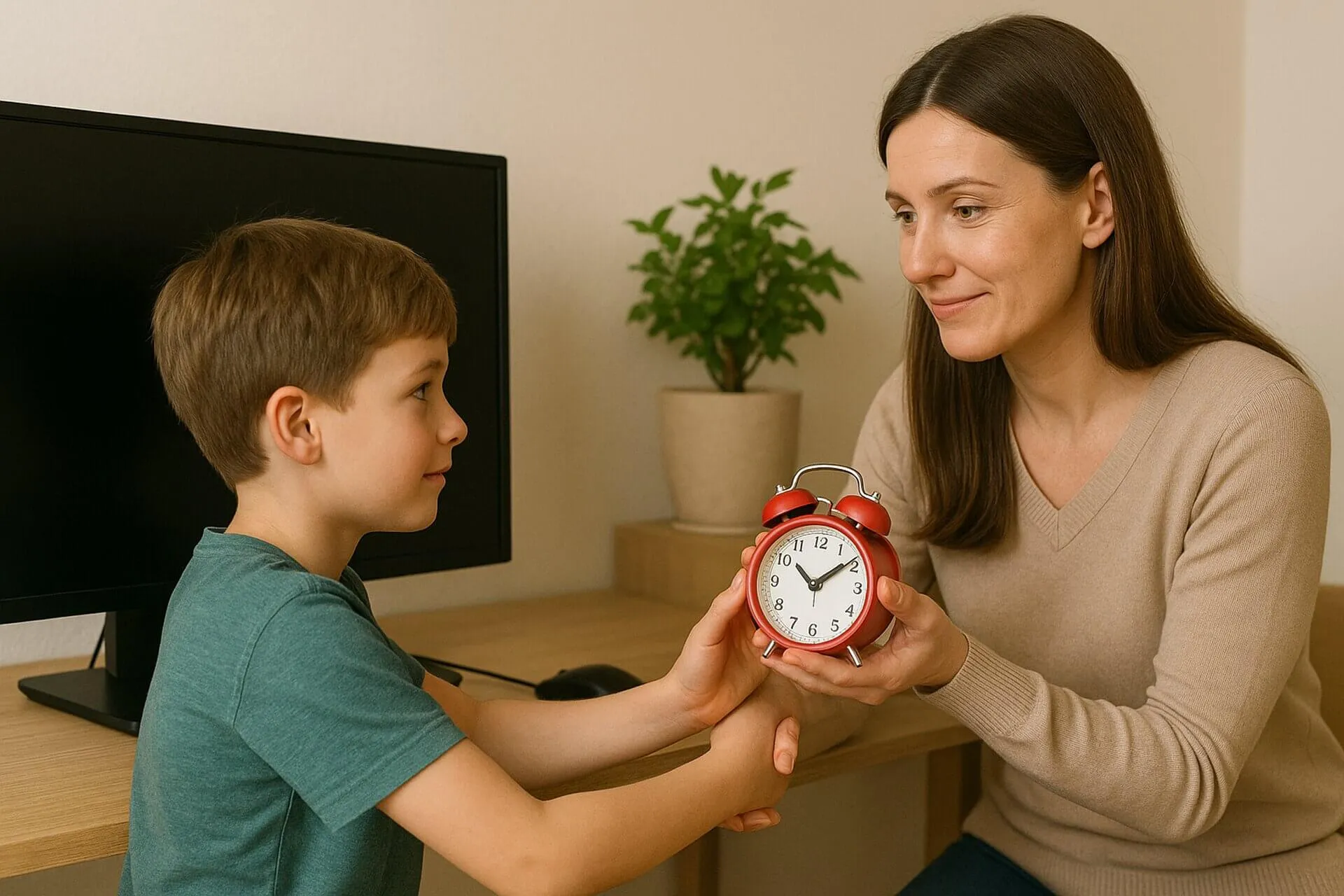
For Minecraft and other computer and video games, firm rules should apply – this is where parents should stay alert… and not get complacent
As with all digital media, the right balance makes the difference. Minecraft can keep kids hooked for hours, and without clear limits they sometimes find it hard to stop in time.
When playing on public servers or with strangers, it is also a good idea to talk about staying safe online. Terms like “server”, “chat” or “mods” (modifications to the game) often seem complicated to parents, but they are quick to understand once you spend a little time exploring them together.
It is best if parents take a look at the game themselves now and then – or simply ask their child to show them what they are building. That not only creates understanding but often amazement too: because Minecraft is not the work of the devil, but a space where kids learn through play, think creatively and take on responsibility.
Questions About “What Is Minecraft?”
What is Minecraft, anyway?
Minecraft is an open-ended video game in which players build, explore and shape their own worlds out of cube-shaped blocks. It has no fixed storyline and encourages creativity and logical thinking.
Is Minecraft suitable for children?
Yes, Minecraft is considered a child-friendly game. It contains no violence in the classic sense and can be played alone or together with others. What matters is choosing age-appropriate servers and keeping an eye on playing time.
What do kids learn from playing Minecraft?
Through Minecraft, kids develop creativity, planning skills and teamwork. They also learn to solve problems, manage resources and use digital tools sensibly.
How much playing time is appropriate?
For elementary school children, around 30–60 minutes at a stretch is a good guideline. What matters is that playing times are clearly agreed on and regular breaks are taken.
What are the risks of Minecraft?
The main concerns are excessive playing time and contact with strangers on online servers. With clear rules, open conversations and interest from parents, both are easy to manage.
Conclusion: Understanding Instead of Prejudice
Minecraft is not a harmless pastime – but it is not the work of the devil either. It is a fascinating tool that lets kids get creative through play, trains logical thinking and encourages teamwork. Parents who give it a chance quickly discover that their child is not “just gaming” here, but creating, experimenting and learning.
Of course, it takes clear rules, set times and the occasional conversation to keep a healthy balance. But if you look at it together, you can see Minecraft as a valuable opportunity: a digital playground where kids bring their ideas to life, build self-confidence – and grow beyond themselves.